
Prefer to listen? Phillip and Shawna covered this in a 5-minute podcast episode — the player is at the end of this article.
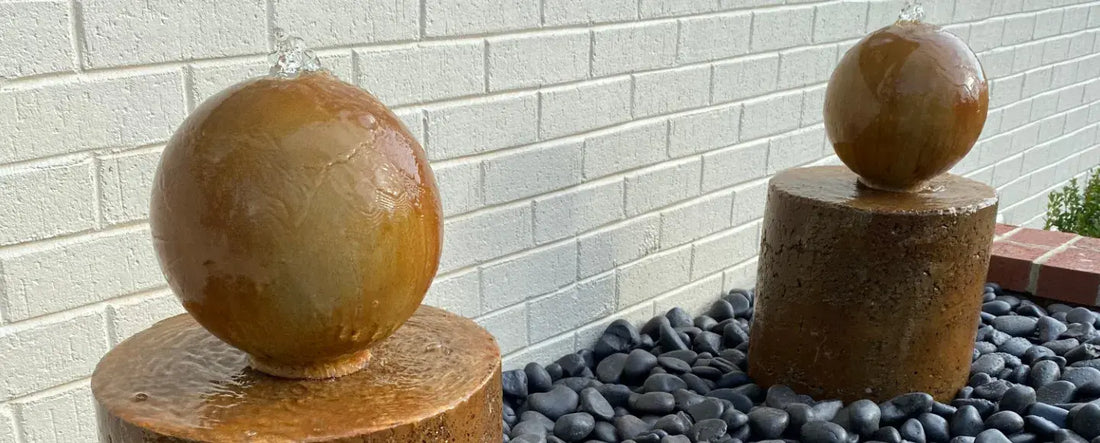
A concrete fountain or birdbath is one of the most rewarding weekend projects you can take on — and one of the least forgiving if you skip sealing. Water runs over these surfaces constantly, so the color has to go into the concrete rather than sit on top of it, and it has to be protected once it's there.
That rules out paint. What works is a reactive acid stain that penetrates the pores, colors the concrete permanently, then gets sealed against the elements.
Pick the stain that suits the shape
Most fountains and birdbaths are curved, tiered and vertical — exactly where a liquid stain wants to run.
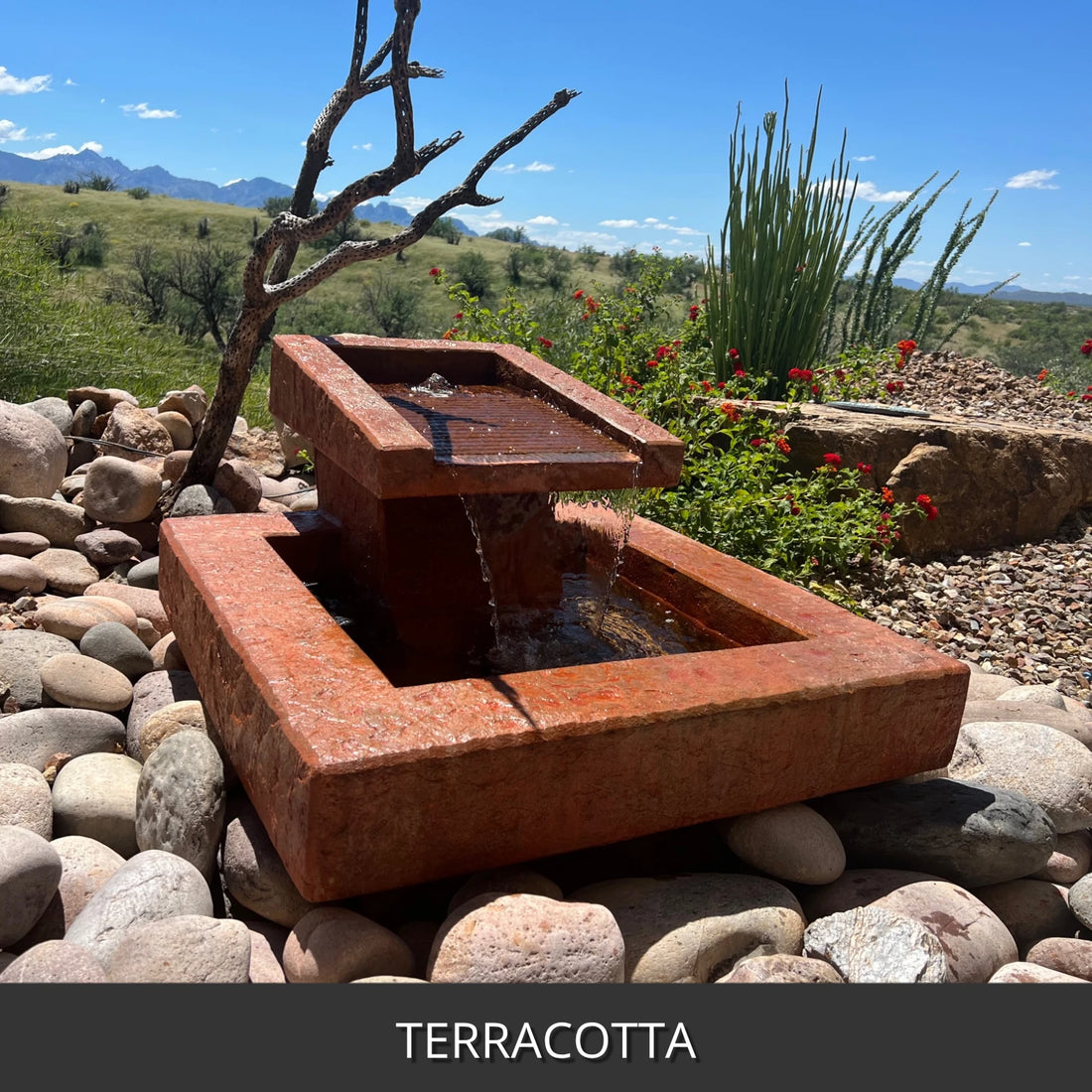
- EverStain™ Acid Stain — sprays or brushes on beautifully, ten colors. Best on flatter basins and wide bowls.
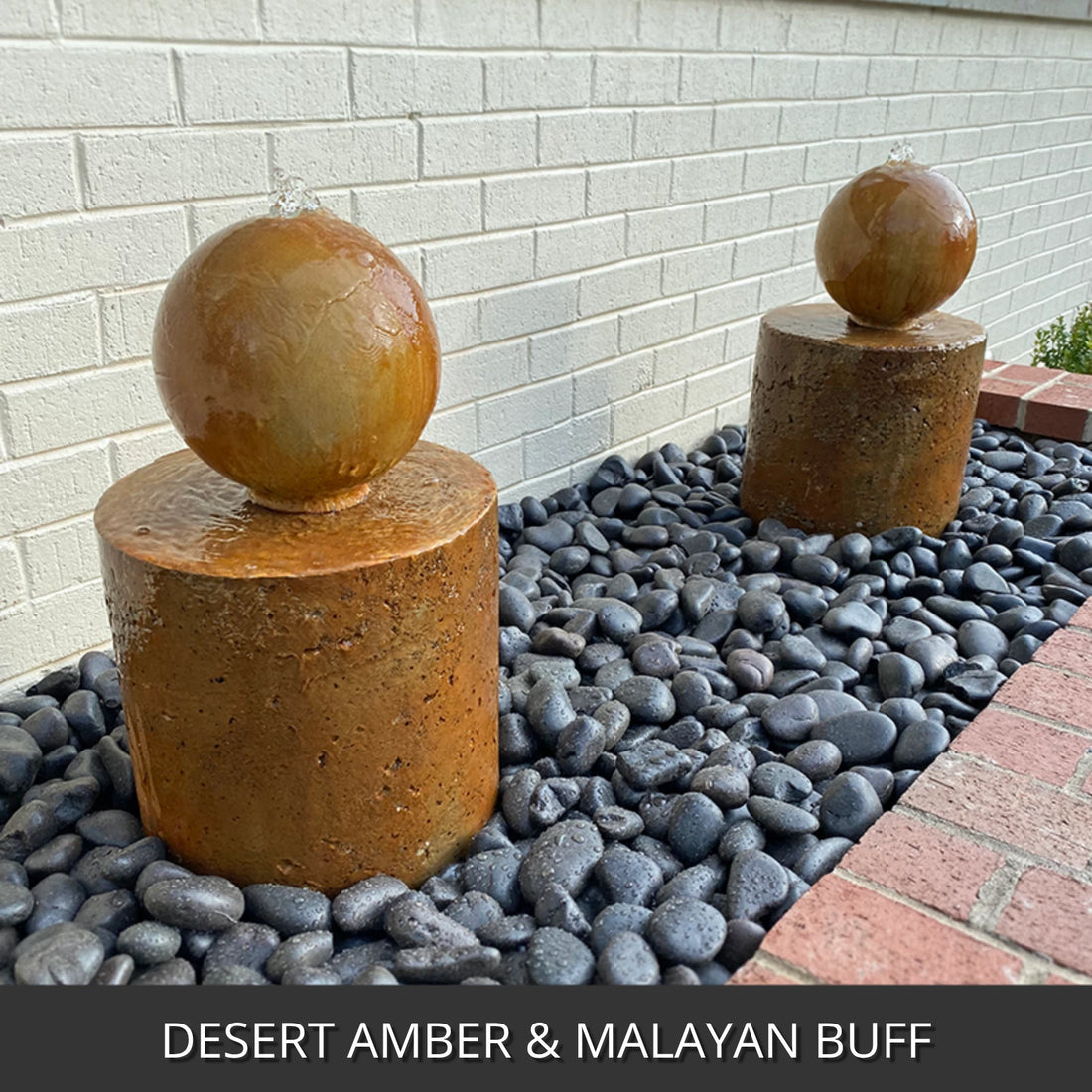
- DecoGel™ Acid Stain — a gelled acid stain built for vertical surfaces. It stays where you put it, which makes it the safer choice on pedestals, columns and steep tiers.
Plenty of projects use both: gel on the verticals, liquid in the basin.
Spray in motion, and keep a sponge brush in your other hand
The most common mistake is spraying too slowly in one spot. That leaves heavy lines that show through the finished color. Keep the sprayer moving, build color in light passes, and blot any run the moment you see it — a foam sponge brush is the right tool, and it needs to be within reach.
Fountains are full of crevices and divots, so runs are inevitable. Catching them quickly is the whole technique.
Neutralize, rinse, then seal
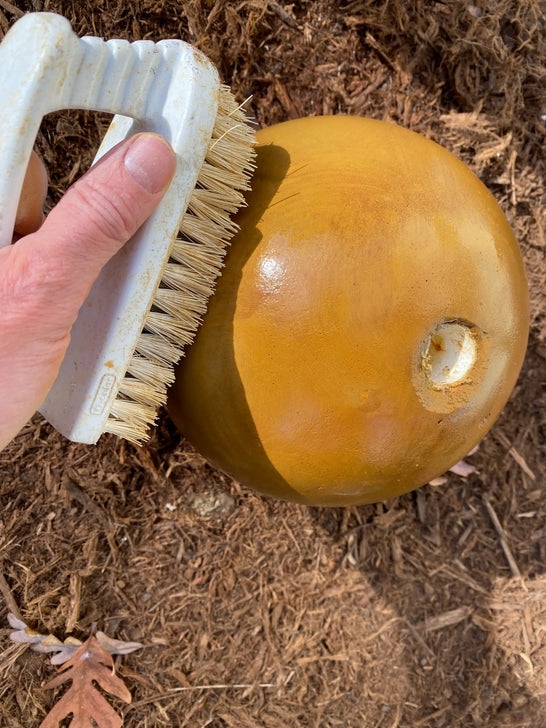
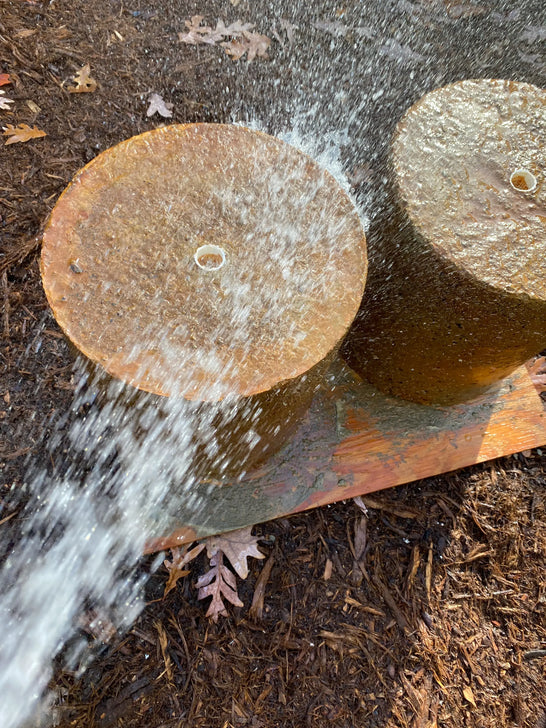
Acid stain keeps reacting until you stop it. Neutralize the surface, rinse until the water runs clear, and let it dry fully before sealing — residue trapped under a sealer will haunt the finish.
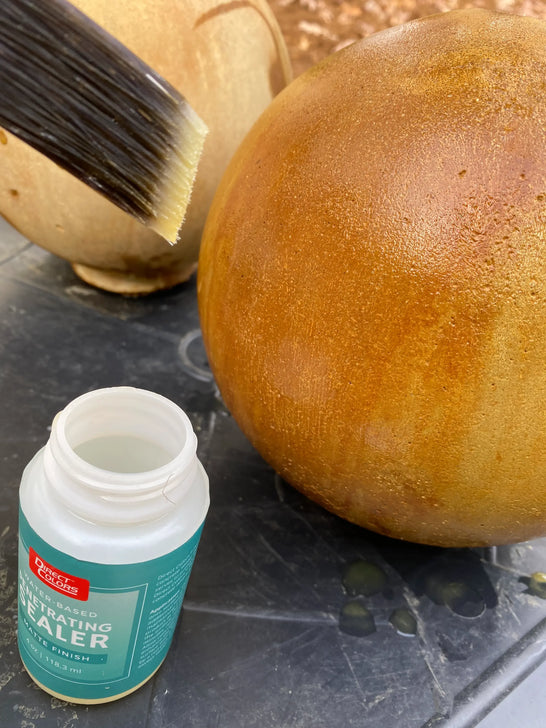
For a water feature, reach for a penetrating sealer. It soaks in rather than forming a film, so there is no coating to peel where water sheets over the surface day after day.
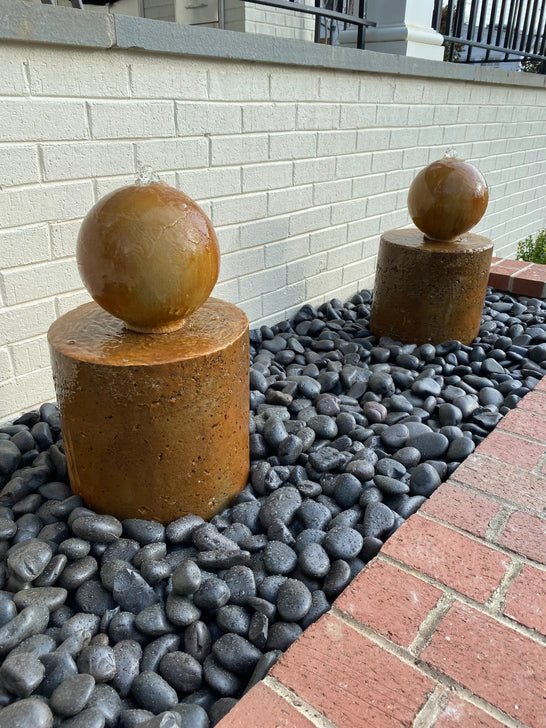
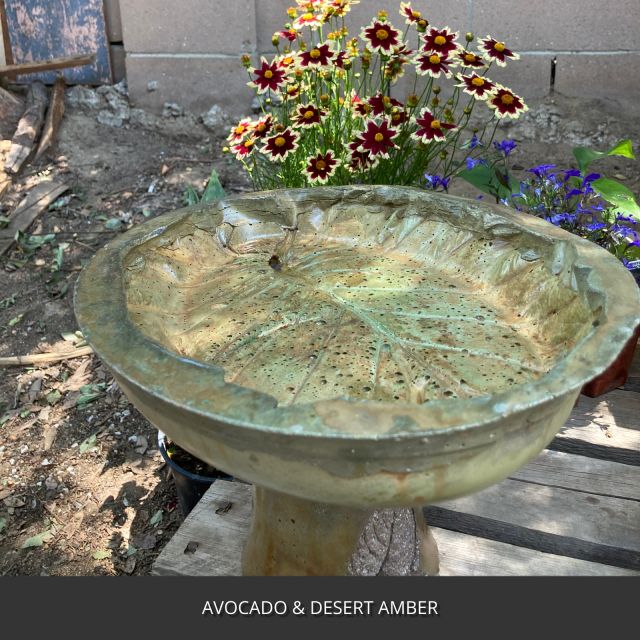
It works on birdbaths too
Same water, same rules. A birdbath is a smaller version of the same problem, and it takes color beautifully.
Common questions
What kind of sealer should I use on a concrete fountain or birdbath?
A penetrating sealer rather than a film-forming one. Water sheets over these surfaces constantly and eventually works its way underneath a surface coating, which then discolors and lifts away from the concrete. ProSeal Li™ Penetrating Concrete Sealer soaks into the pores and seals from within, so there is no film to peel, and it densifies the concrete, which helps it stand up to freeze–thaw. It dries completely matte, so expect a flat look when the water is off.
Should I use EverStain™ or DecoGel™ on a fountain?
Often both. EverStain™ is a liquid acid stain in ten colors that sprays or brushes on well, which suits basins and wide bowls. DecoGel™ is gelled and comes in nine colors; it stays where you put it, so it is the safer choice on pedestals, columns and steep tiers, and its oil-paint consistency is what carries color down into cast detail.
How do I stop acid stain running and leaving lines?
Keep the sprayer moving and build the color in light passes — spraying slowly in one spot is what leaves the heavy lines that show through the finished color. Fountains are full of crevices and divots, so runs are inevitable; keep a foam sponge brush in your other hand and blot each one the moment it appears.
Can I use more than one color on the same piece?
Yes, and DecoGel™ is the right tool because it does not migrate across the surface. One documented planter had its cast leaves and grapes picked out in separate DecoGel™ colors — Seagrass, Cola and Shifting Sand. The discipline is applying and removing each color carefully so the boundaries between them stay crisp.
Listen to this episode
Direct Colors DIY Home Improvement · Episode 1
Coloring & Sealing Concrete Fountains and Birdbaths
Phillip Cooper and Shawna Turner · 5 min 26 sec · read the full transcript
What’s Next
- The full staining method, step by step → How to Apply Acid Stain
- Get the neutralizing right → How to Neutralize Acid Stain
- If the piece has an old finish on it → Concrete Surface Preparation · Staining Over Stained Concrete
- More small projects like this one → Concrete Craft Project Gallery
- Shop → Acid Stains · DecoGel™ · EverStain™


