
Pigment is not only for slabs and countertops. A bag of cement, a mold and a few grams of iron oxide is enough to make planters, candle vessels, coasters, statuary, chess tables — and the pigments are UV-stable, so outdoor pieces hold their color instead of chalking out after a season. Everything below was made by Direct Colors customers.
Prefer to listen? Shawna Turner on everything customers color with concrete pigment. The player is at the end of this article.
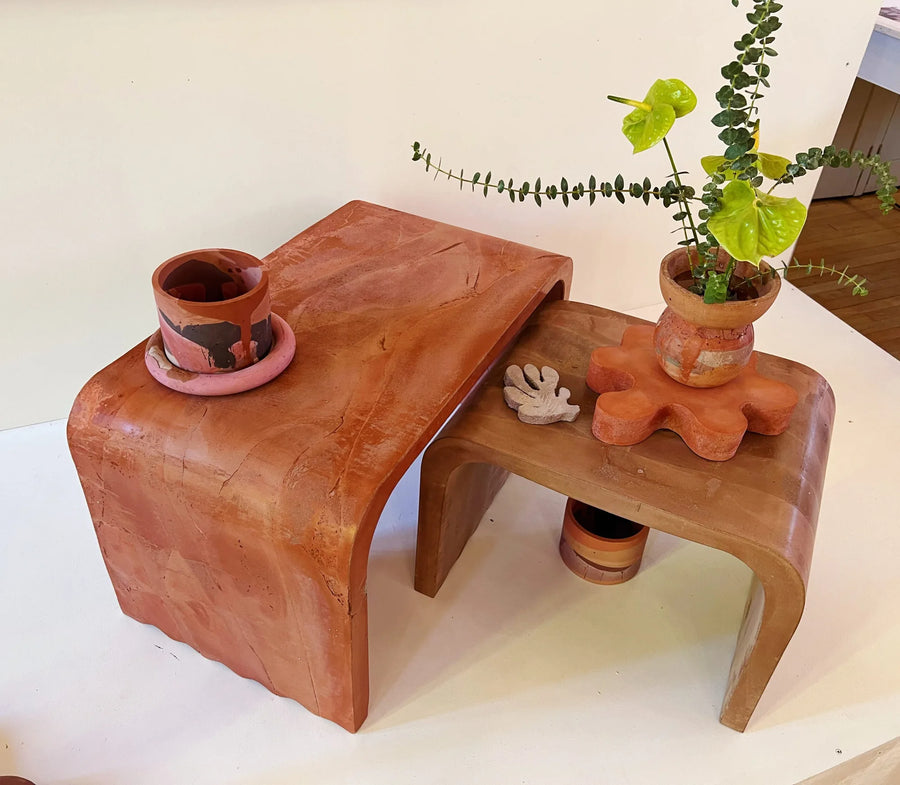
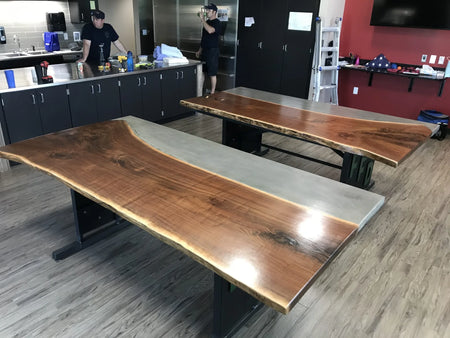
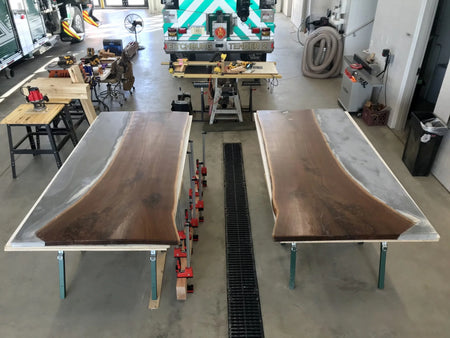
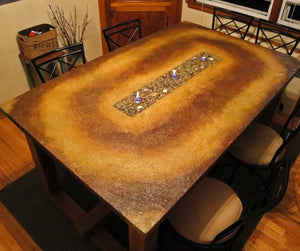
A pigmented concrete table by Sydney Phetmisay of The Moody Cactus.
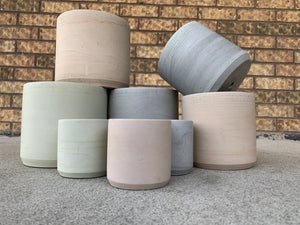
Planters and pots
The most common starting point, and the most forgiving — a mold, a mix and one color.
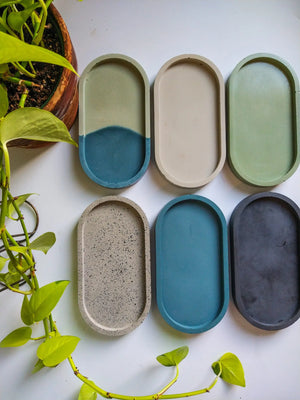
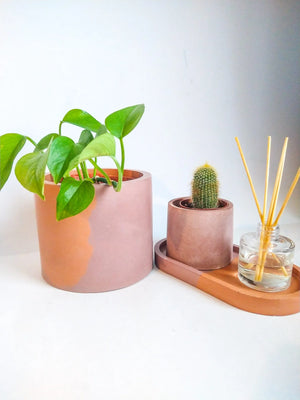
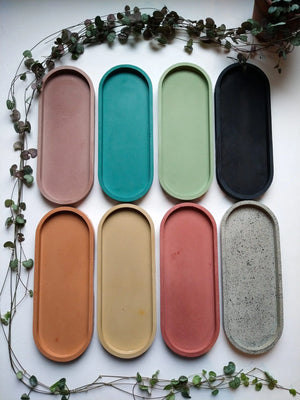
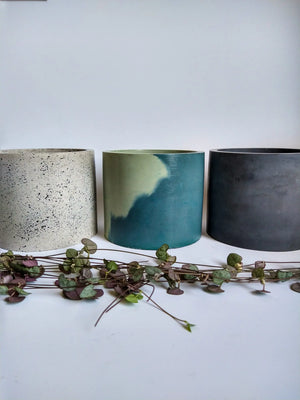
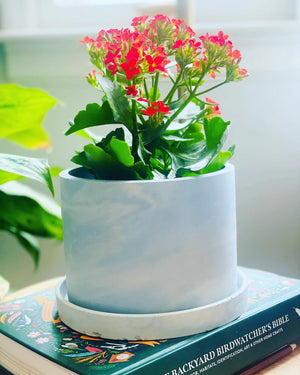
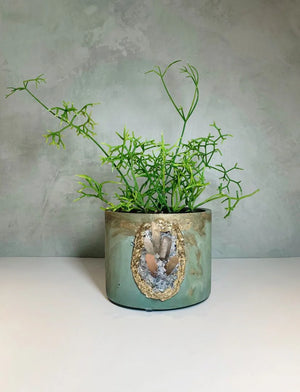
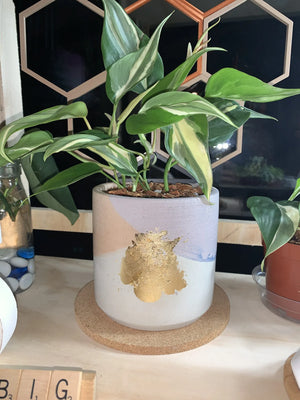
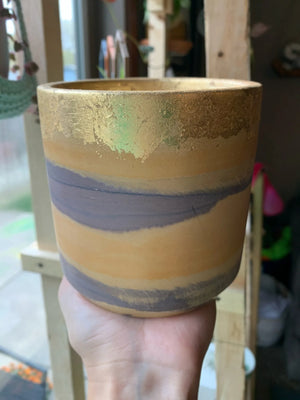
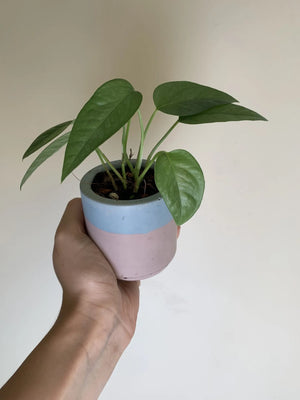
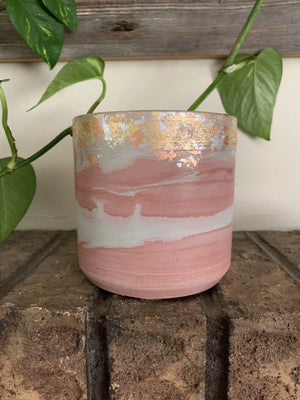
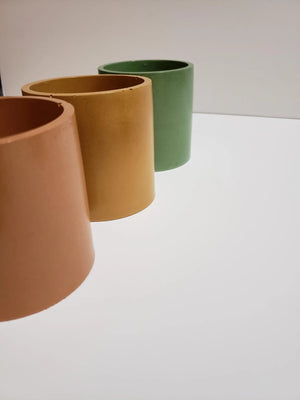
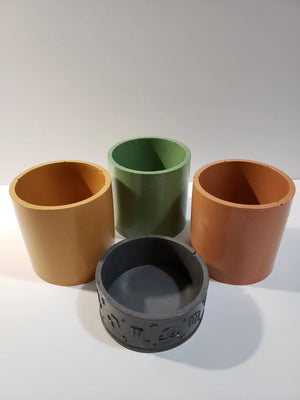
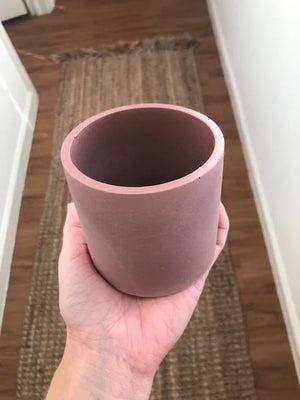
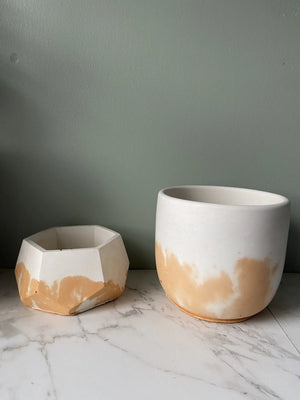


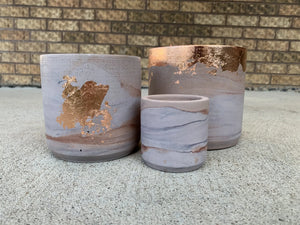
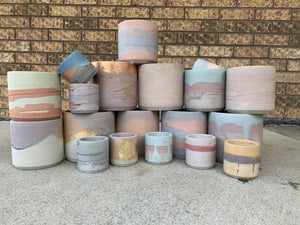
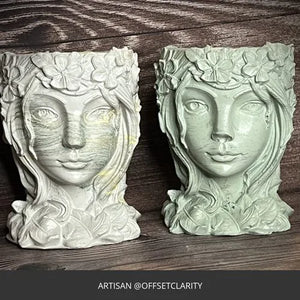
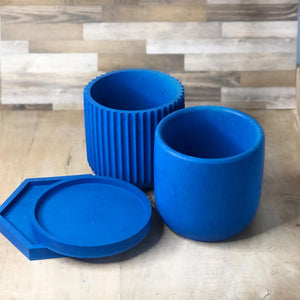
Hand-poured pots, and artisan planters by Jessica Schroeder.
Candles and vessels
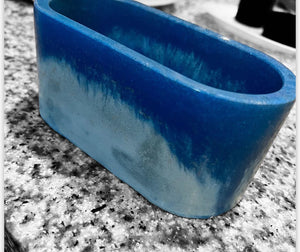
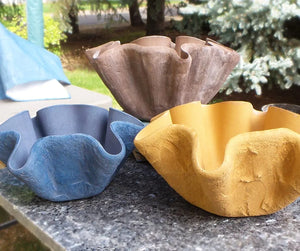
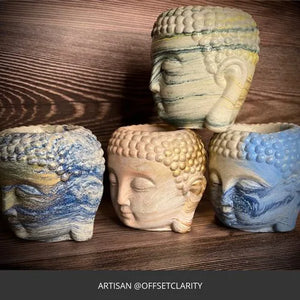
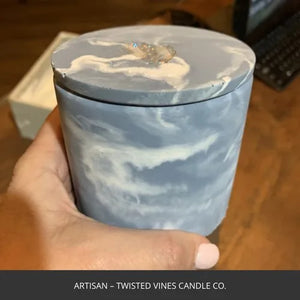
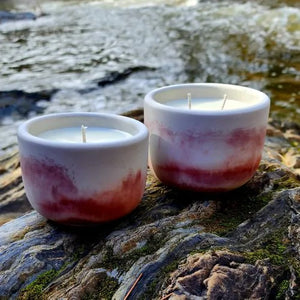
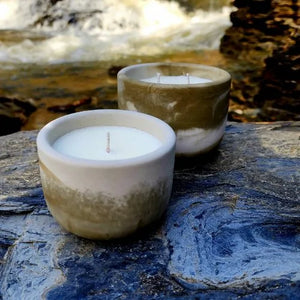
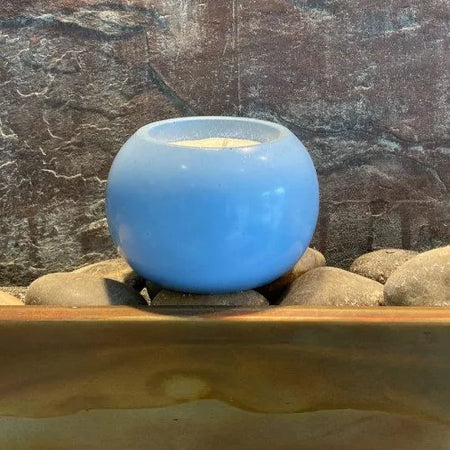
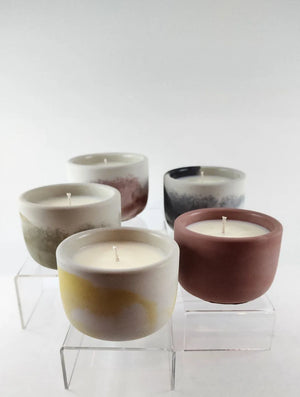
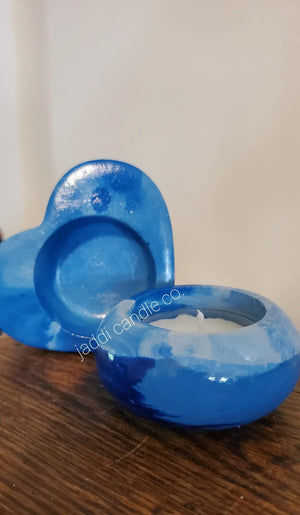
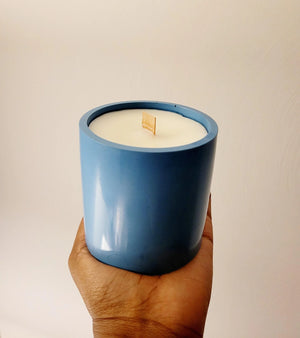
Small, fast and repeatable — which is why so many candle makers use pigment. Thanks to Calafia Candle Co. for featuring the pigments in their tutorials.
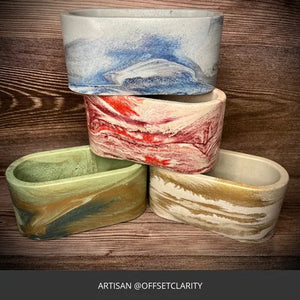
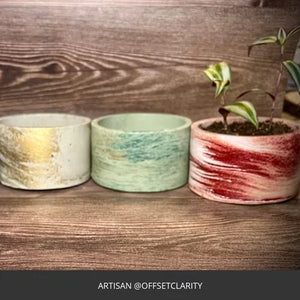
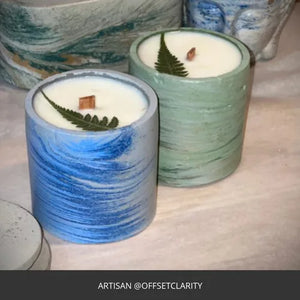
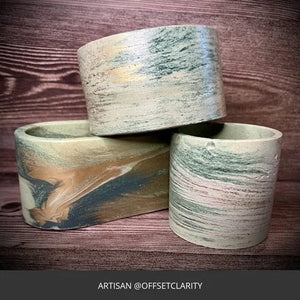

Pottery
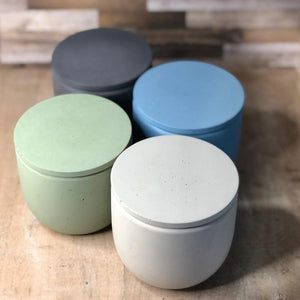
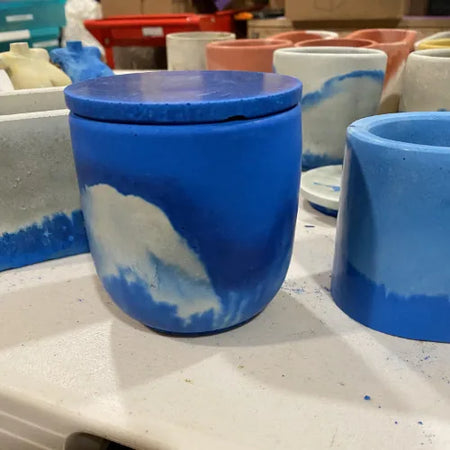
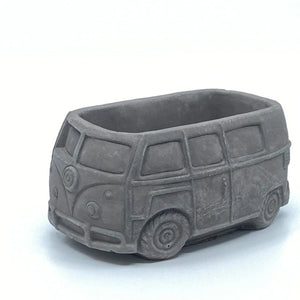
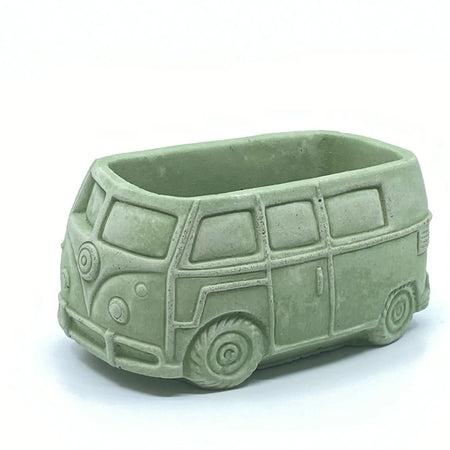
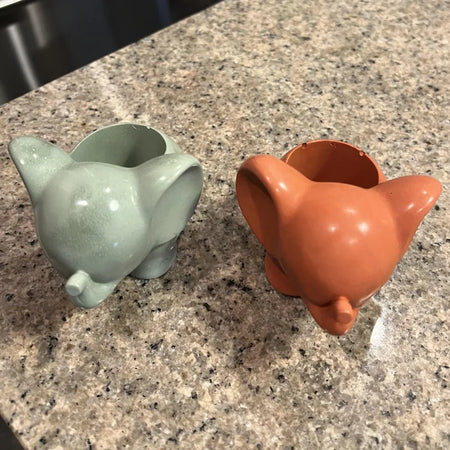
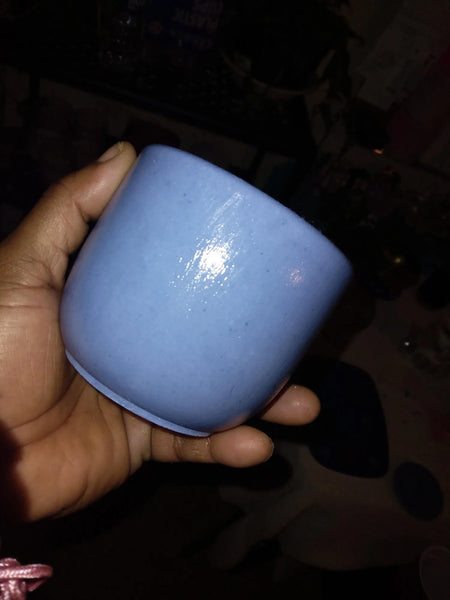
Four colors from one maker — Susan P's pottery bus — showing how differently the same pigment range reads across forms.


Coasters, plates and small objects
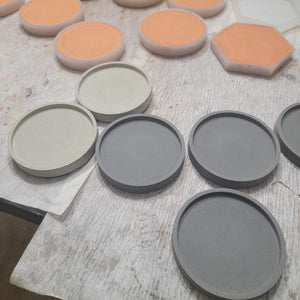
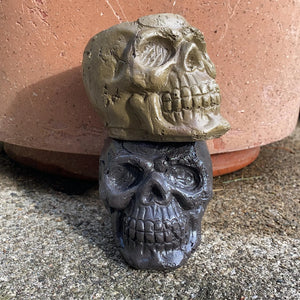
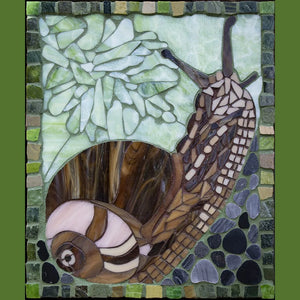
Coasters in Almond, Galaxy Black and Terracotta; decor in Galaxy Gray, Sunglow and Soft Gray; and mosaics.
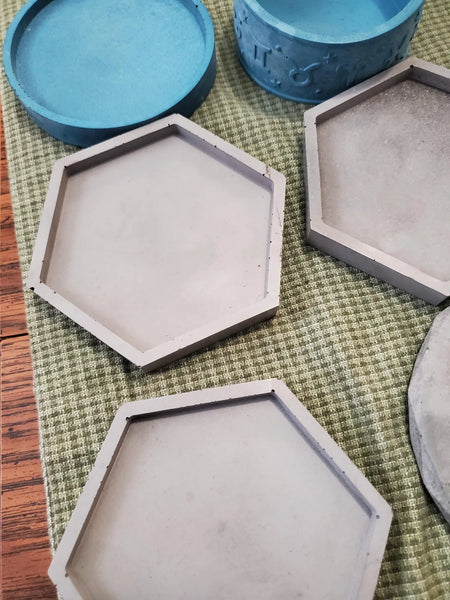
Anchor art
Patrick Gavin of Anchors A Weigh — cast concrete anchors finished with Cola and English Red EverStain™ rather than pigment, showing how the two can be combined on cast pieces.


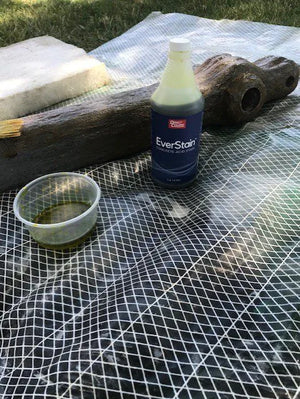
Before, and the stain going on.


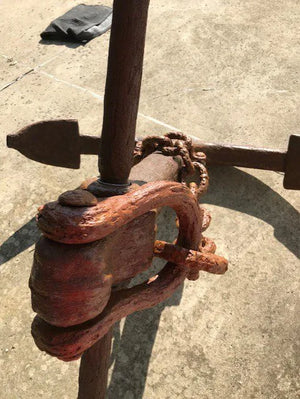
During, and the finished anchors.
Sculpture and statuary
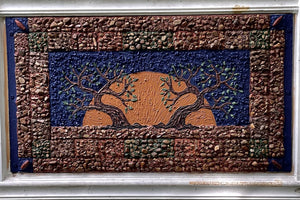
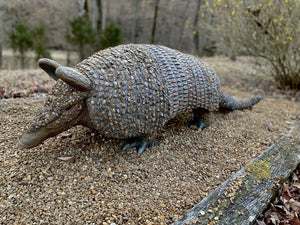
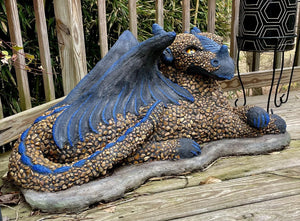
Statues and mosaics in Chestnut, Fern, Galaxy Black and Red Bromeliad.




Cats on the Couch
By Candace Clough — six views of one piece, and the best argument in this gallery that concrete is a sculpture material rather than just a building one.
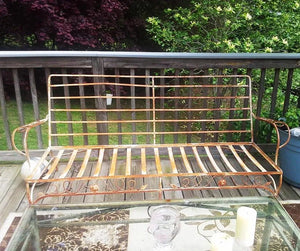
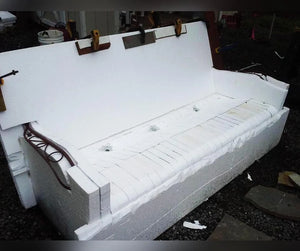
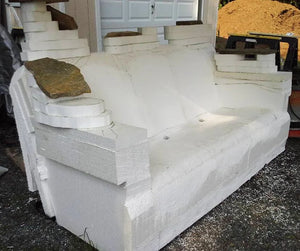
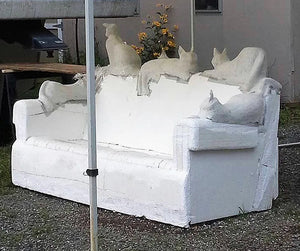
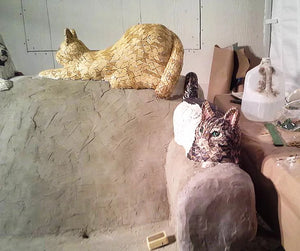

Three more views of the same piece.
Lego concrete art
By Jacob Canini, @j.a.w — molds taken from Lego bricks, cast in pigmented concrete.

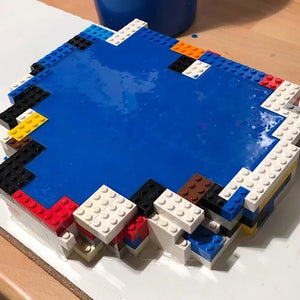


The finished pigmented concrete Lego art.
Tables and game tables
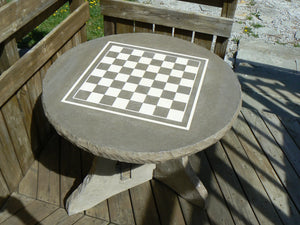
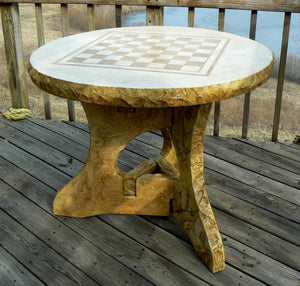
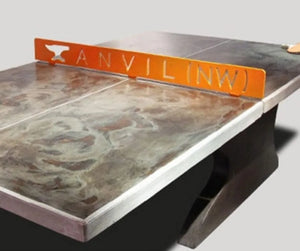
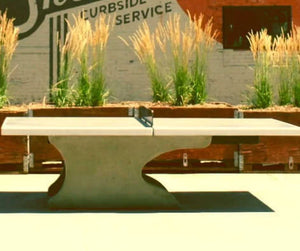
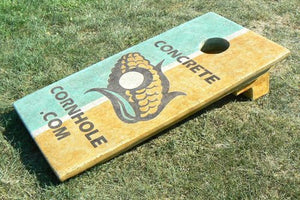
The largest pieces here. Concrete suits a table top because weight is an advantage rather than a problem, and pigment means the color survives being knocked about.
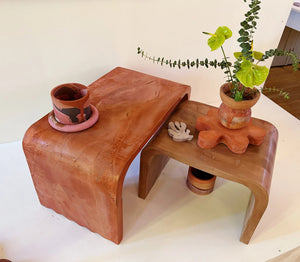
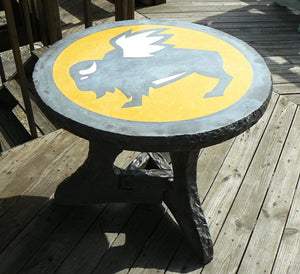
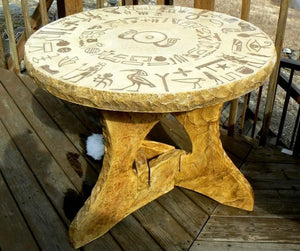
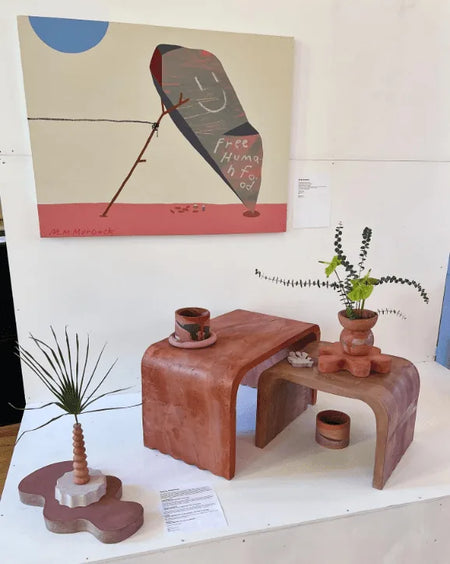
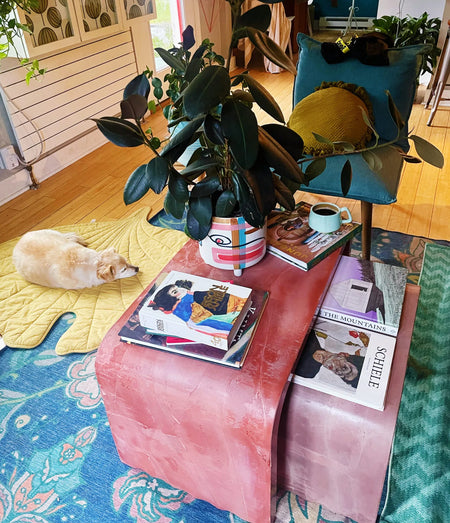
Two more views of the Moody Cactus table in Mars pigment.
A concrete pool
The largest project any customer has sent us for this page — Ocean Blue pigment through the pool itself.
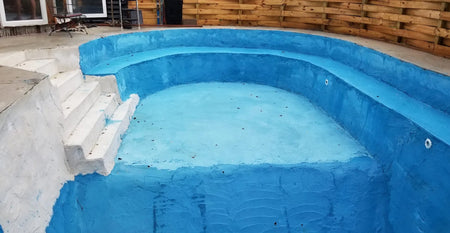
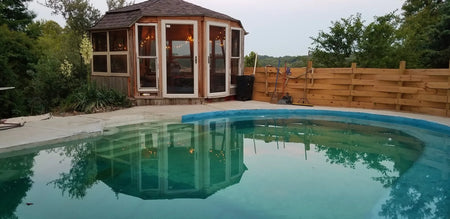
A concrete pool colored with Ocean Blue pigment.
How the small pieces get made
The process is the same at every scale: mix the pigment into the dry cement, add water, fill the mold, work the bubbles out, demold once cured. Blend the pigment through the dry material for three to five minutes before any water goes in — that is what gets even color instead of streaks, and it is covered step by step in how to mix pigment without streaks.
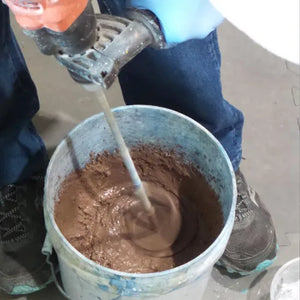
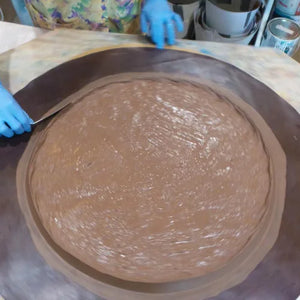
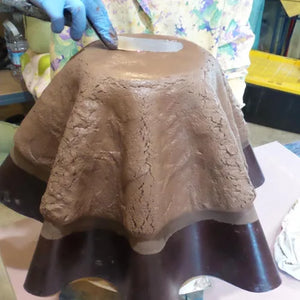

Removing the finished piece from the mold.
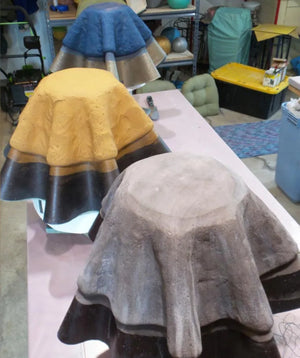
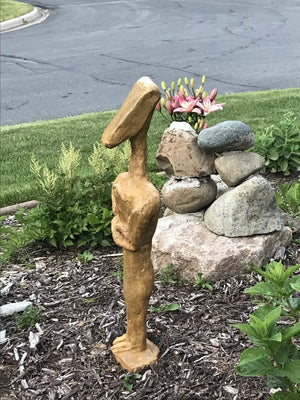
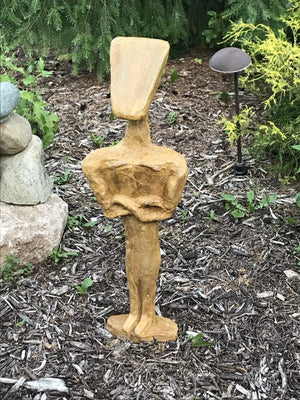
Doodle Pots
— Doodle Pots
Common questions
Is concrete pigment the same as integral color?
Yes — pigment is the product, integral color is the result. Powdered pigment goes into the mix before pouring so the color runs through the whole thing, which is why a chip or a scuff still shows color rather than gray. It is permanent, though it can fade somewhat over time if the surface is never sealed.
What else can I color with concrete pigment besides a slab?
Anything cement-based. Countertops are the second most common use after slabs, and there is steady demand for custom grout, stucco and mortar colors, plus cast décor like planters and stepping stones. The dosing differs — you calculate against the cement content rather than total weight.
What makes a pigment suitable for outdoor use?
Two properties. UV stability, because a pigment that is not UV resistant will fade and deteriorate in sunlight; and chemical inertness, so it can be added to a cement-based mix without reacting with it. Both are why the same pigments can go into a sealer or a stain and still hold color outdoors.
Why is blue so hard to find?
Because DIY quantities of it barely exist locally. Big-box stores carry a narrow palette, and blue is one of the first colors to disappear — particularly in small amounts at a sensible price. There are currently three blue families in the powder line (201, 202 and 203), which is more choice than most suppliers offer the public.
Listen to this episode
Direct Colors DIY Home Improvement
The Many Uses of DIY Concrete Pigment
Lisa Bickel and Shawna Turner · 4 min 44 sec · read the full transcript
What's Next
- Start small → Pigment Sampler · ColorBlast™ 5-Color Set
- The fundamentals → Integral Color Concrete
- Eight project ideas → Cement, Overlays, Stucco and Grout
- Bigger pieces → DIY Concrete Countertops
- Applying stain outdoors → How to Apply Outdoor Concrete Stain
- Choosing a sealer → The Best Concrete Sealer
- Prefer a reactive, mottled look? → Acid Stain Colors Guide
- Mixing it evenly → How to Mix Concrete Pigment Powder Without Streaks
- Every shade and its dose step → Concrete Pigment Color Chart
- Shop → Concrete Powder Pigment · Pigment Sampler
Direct Colors. Shawnee, OK. Manufacturing the full decorative concrete system since 1997.


