
A stained patio that has gone flat is usually not a color problem — it is a sealer problem. Sealer is what produces sheen, and it wears. Before you consider re-staining anything, work through prep, seal, and only then color.
Prefer to listen? Shawna Turner covered the wet test, resealing like-for-like, and failing powdered release. The player is at the end of this article.
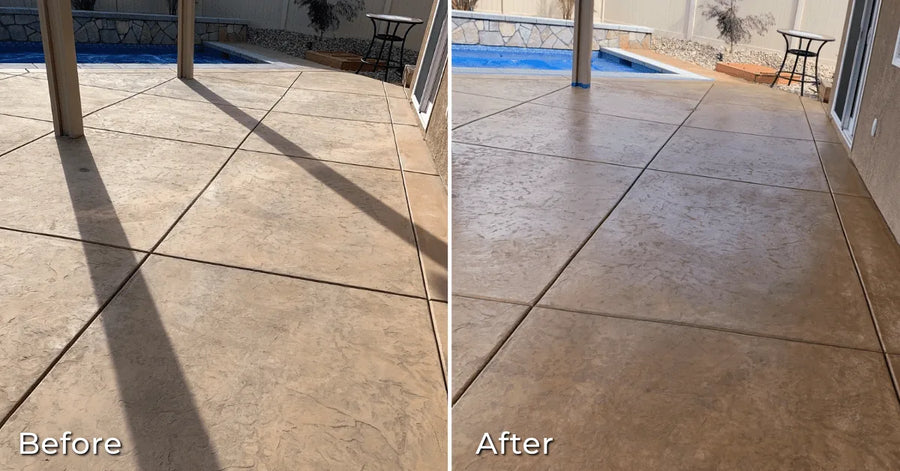
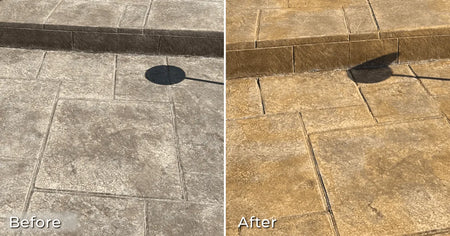
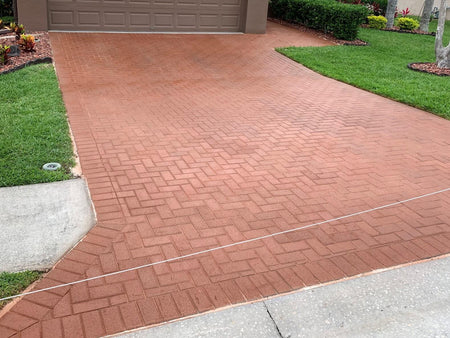
A dull patio before, and the same patio after EasySeal™.
Prep decides everything
An improperly prepared surface is what causes poor adhesion and uneven coverage later. Three steps, none skippable.
Sealing brings the shine back
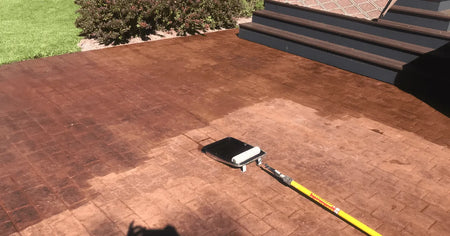
A good sealer protects the concrete and deepens both color and sheen. EasySeal™ (solvent-based) and AcquaSeal™ (water-based) both do this — pick by where you are working and how much ventilation you have.
When sealing is not enough
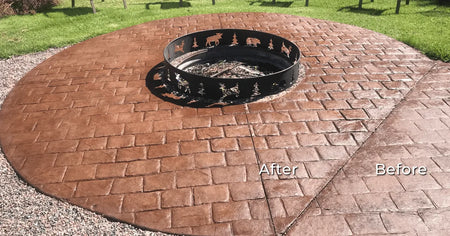
If the color itself has faded, a sealer alone will not bring it back. EasyTint™ adds a layer of color while still working as a sealer — the fix when the patio is not just dull but washed out.
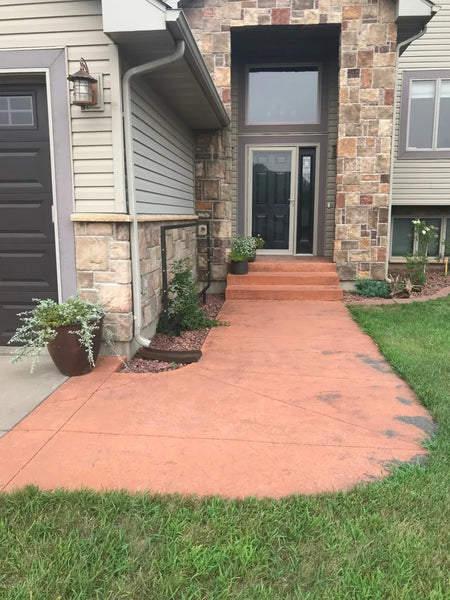
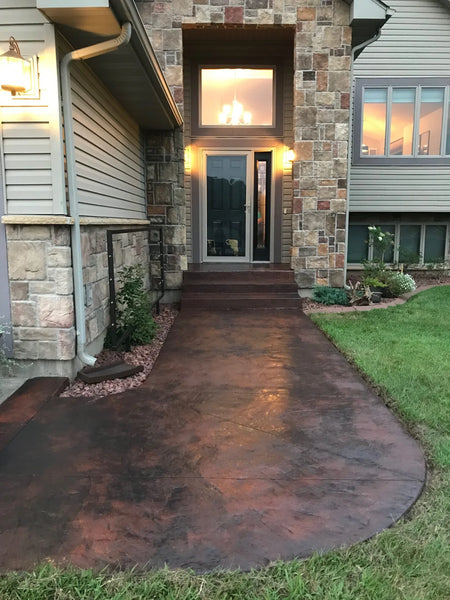
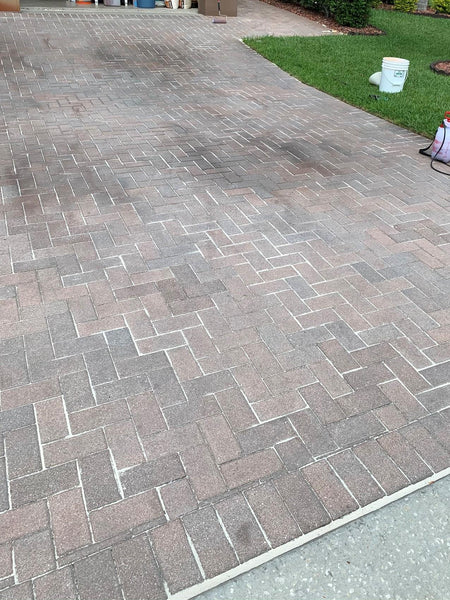
Troubleshooting: bubbles and white patches
Two failure modes come up constantly, and both are fixable without stripping anything.
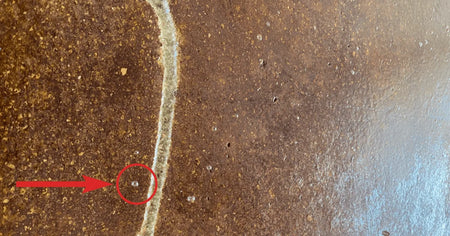
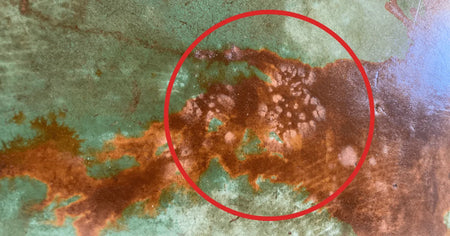
The fix, for both
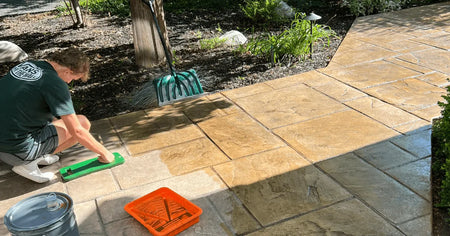
- Brush a small amount of xylene onto the affected area
- Work it into the sealer with gentle circular motions
- Let the surface dry completely
- Apply a fresh coat of sealer
Or EasyRepair™ is formulated for exactly this — it re-dissolves the existing film and lets it re-level
Common questions
My stamped concrete has faded. Do I need color or just sealer?
Wet it and look. If you are happy with the color when the slab is wet, you need a sealer, not a stain — wet concrete approximates how it will look sealed. If it still looks faded wet, the topical color has gone and you need to put color back. Stamped concrete fades because the sealer breaks down and the topical color goes with it, which is why leaving it unsealed accelerates everything.
Can I reseal with any sealer?
No — match what is already there. Reseal solvent-based over solvent-based, and water-based over water-based, or you risk an undesirable reaction between the two. If the existing finish is a polyurethane, the surface must be scuffed or abraded before recoating; skip that and the new coat peels straight off. Most acrylic sealers need redoing every 2–3 years outdoors, depending on climate.
What renews color on stamped concrete that has already been sealed?
Antiquing™, which was formulated for exactly this. Acid stain cannot react through an existing sealer, but Antiquing™ can go over it. The color settles into the low points of the stamp pattern, which is what produces natural-looking highlights rather than a flat repaint. Shake it thoroughly before and during spraying to keep it in solution, then seal after 6–8 hours.
My stamped concrete is going speckled and patchy. What is that?
Failing powdered release. The release colorant used at installation is usually darker than the concrete, and once the sealer goes it flakes away and leaves a speckled pattern. Be realistic: staining over it is often only a temporary fix and the flaking tends to continue. Power wash to take off as much loose colorant as you can, sand the worst areas to stop further loss, then apply the stain to clean dry concrete and seal properly — good prep and a good sealer are what slow it down.
Listen to this episode
Direct Colors DIY Home Improvement · Episode 12
Renewing Color on Outdoor Concrete and Pool Decks
Amie Nolen and Shawna Turner · 5 min 46 sec · read the full transcript
What's Next
- Change the color entirely → How to Change Concrete Color
- Colors → EasyTint™ Tinted Sealer Colors
- Sealer choice → The Best Concrete Sealer · Fixing a Failed Sealer
- Driveways → Driveway Stain Ideas
- Applying stain outdoors → How to Apply Outdoor Concrete Stain
- Choosing a sealer → The Best Concrete Sealer
- Prefer a reactive, mottled look? → Acid Stain Colors Guide
- Shop → EasyTint™ · AcquaTint™ · Trial Kits
Direct Colors. Shawnee, OK. Manufacturing the full decorative concrete system since 1997.


