


Antiquing™ Stamped Concrete Stain
Antiquing™ Stamped Concrete Stain
- The authentic antique look on stamped concrete — Solvent carrier flows pigment into the recessed areas of the stamp pattern, leaving deep accent color in the low points where shadow lines create dimension.
- Brings stamped concrete to life — Works on new stamped surfaces that need a finish, faded patios that have lost color, or any stamped concrete project where you want rich texture instead of flat gray.
- Coverage: 200 sq ft per gallon — Sold by the gallon. Requires sealer to bond the pigment. For complete kits with matched sealer, see the Antiquing™ 2-Step Systems.
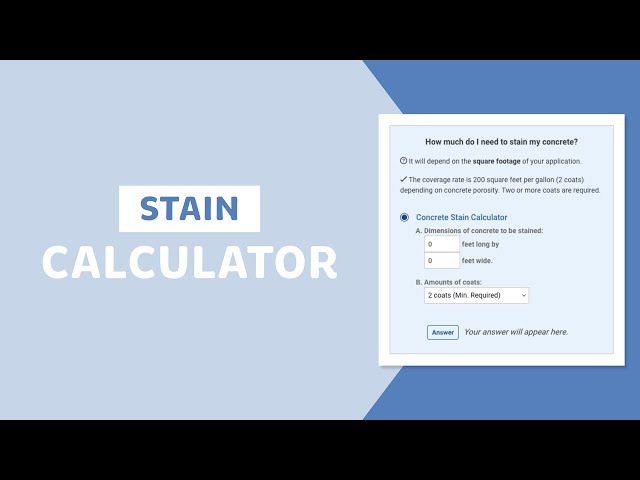
How much do I need to stain my concrete?
- It will depend on the square footage of your application.
- The coverage rate is 200 square feet per gallon (2 coats) depending on concrete porosity. Two or more coats are required.


Concrete Stain Calculator
Amounts of coats:
Amount of Antiquing™ to use:
Your Recipe:
| Size | Qty |
|---|
Product Details
Product Details
Antiquing™ Stain is a semi-transparent, solvent-based concrete stain crafted to enhance the aesthetic appeal of outdoor concrete surfaces. Its premium, spray-on formula is specifically tailored for use on stamped concrete driveways, patios, pool decks, walkways, and other outdoor concrete areas.
Designed for both revitalization and color restoration, Antiquing™ Stain excels in breathing new life into faded or discolored stamped, broomed, swirled, hand troweled, or textured concrete. It stands out as a superior alternative to traditional coloring methods, such as colored stamped release forms, by offering an easier, mess-free application process suitable for both professionals and homeowners.
The key to its effectiveness lies in a unique blend of pigments and dispersants that ensure the color not only enhances the concrete's surface but also highlights its natural textures and indentations, creating a distinctive antique look.
Antiquing™ Stain MUST be sealed.
Specifications
Specifications
| Application Tools | Best applied using a pump sprayer (filter removed). |
|---|---|
| Location | Suitable for exterior applications. |
| Dry Time | Antiquing™ Stain requires 8 hours of drying before sealer application. It is recommended to apply two coats for optimal results. For detailed information on sealers, refer to AcquaSeal™ TDS and EasySeal™ TDS. Dry times can vary with environmental conditions. |
| Re-Coat Time | Additional coats can be applied without waiting. |
| Cleanup | For Antiquing™ Stain and EasySeal™ Sealer: Use xylene. For AcquaSeal™ Sealer: Use ProClean Degreaser™ and warm water. |
| Coverage | Approximately 200 sq. ft. per gallon for two thin coats. It is recommended to apply two coats for optimal performance; coverage may vary depending on surface conditions. |
| Recommended Sealers | Compatible with AcquaSeal™ Water-based Acrylic Sealer or EasySeal™ Solvent-based Acrylic Sealer. |
| Application Temperature | Best between 40°F–95°F (4°C–35°C). |
| Recommended Uses | Ideal for stamped concrete driveways, patios, pool decks, walkways, and other outdoor concrete areas. |
| Important Note | Requires proper ventilation due to strong fumes. |
Your payment information is processed securely. We do not store credit card details nor have access to your credit card information.

Frequently Asked Questions
How does Antiquing™ Stain work?
How does Antiquing™ Stain work?
Concrete Antiquing™ Stain is a solution formulated using pigments. Once this concrete stain is applied to a concrete surface, the liquid remains wet for an extended period, allowing the pigments to travel and nest in the lower depressions of the surface. When they’ve completely dried, the pigments deposit lightly on the higher spaces and heavily in the lower depressions - resulting in that beautiful “antique” finish (hence the name!). Since Antiquing™ Stain is a pigment-based colorant, the pigments need to be held in place with a concrete sealer.
Where can I apply concrete antiquing stain?
Where can I apply concrete antiquing stain?
Typically intended for outdoor surfaces, Antiquing™ Stain is specifically-engineered for stamped concrete that remains in good condition. It can also be applied to hand-troweled, hand-textured, or brushed concrete. However, when the concrete doesn’t have depressions, such as a slate finish or other design, the color typically produces a more uniform result (depending on the application method). If your concrete is extremely porous, weathered, or degraded, consider using our Portico™ Paver Stain for better color results. If you’re unsure, check out an Antiquing™ Stain Trial Kit or Portico™ Paver Stain Trial Kit to confirm results for you before you start on a full project.
After antiquing concrete and letting it dry, it barely looks like I have any color. What happened?
After antiquing concrete and letting it dry, it barely looks like I have any color. What happened?
The good news is that concrete pigments don’t disappear! Assuming your concrete surface is in good condition and not extremely porous, weathered, or otherwise degraded, the pigments you sprayed down are still in place. Once Antiquing™ Stain is sprayed on the surface and dries for several hours, the dried pigment only appears faded. When you apply the recommended two thin coats of concrete sealer, the color will “pop” to life, transforming your space! Be mindful of a decision you’ll need to make between solvent-based or water-based sealers. While both are great options, the difference is that solvent-based sealers will “pop” color much more intensely than water-based sealers. Water-based sealers will tend to soften in color as they cure.
Why didn’t Antiquing™ Stain work on my concrete?
Why didn’t Antiquing™ Stain work on my concrete?
It would be unusual if the antiquing stain didn’t color your concrete surface successfully. Remember, this product is made of pigment, and pigments don’t disappear! If Antiquing™ Stain didn’t add any color to your concrete, it could potentially be one of two issues: The pigments became trapped or blocked in the sprayer. This can make it seem as if you sprayed liquid with no color. Make sure that you have removed all of the filters on the stain sprayer and that the O-rings are seated correctly in the sprayer head. The concrete that you’re applying Antiquing™ Stain to is far too porous, weathered, or degraded. When concrete is extremely porous, the pigments will fall deeper into the concrete surface - causing the color to diminish. This is not a sign of a faulty product, but unfortunately, you may have selected the wrong product for your particular project.
How much surface preparation is required to antique concrete?
How much surface preparation is required to antique concrete?
Surface preparation is often the most critical factor in any successful decorative concrete project. In order to achieve the best results, the concrete surface should be free of cure and seal, sealer, paint, dirt, grime, and grease. If the concrete was previously stained and the original sealer has worn away, go ahead and apply Antiquing™ Stain over that previous stain. What you would particularly want to avoid is applying the Antiquing™ Stain over a previously sealed surface. This could cause the still intact sealer to repel the new stain you’ve applied. Scrub the surface using ProClean Degreaser, rinse thoroughly, and allow to dry before applying Antiquing™ Stain.
I purchased the amount of product your concrete stain calculator recommended based on my square footage, and still needed more. What happened?
I purchased the amount of product your concrete stain calculator recommended based on my square footage, and still needed more. What happened?
Depending on your concrete surface and chosen application methods, coverage rates can vary. We follow industry standards of approximately 200 square feet per gallon, which commonly applies to lower viscosity products like colorants and concrete sealers. First, it’s always good to double-check your calculation of square footage. From there, a few variables come into play. How porous, weathered, or worn is your concrete? How heavily are you applying the product? On smoother, less porous concrete, you may find you’re getting a bit more coverage than anticipated. For stamped, textured, or more weathered, porous concrete, you may get a bit less coverage. These variables aren’t calculation errors, but more of a common indefinite. When in doubt, follow the general construction rule of rounding up for your supply needs.
I ordered a trial kit and we found the color we are going with. Can I stain yet this fall and seal in the spring?
I ordered a trial kit and we found the color we are going with. Can I stain yet this fall and seal in the spring?
Antiquing™ Stain should be sealed 8-10 hours after application to prevent the pigments from being displaced by wind or weather.
Is concrete antiquing stain permanent?
Is concrete antiquing stain permanent?
No, Antiquing™ Stain is a topical colorant with UV-stable and fade-resistant pigments. As the product is applied, the pigments will nest into the pores of the concrete, the solvent-based liquid will off-gas and dry, and then a sealer will need to be applied to keep the colorant on the surface. You must maintain the sealer to protect your color.
How long does the Antiquing™ Stain need to dry before applying sealer?
How long does the Antiquing™ Stain need to dry before applying sealer?
For exterior concrete, allow at least 8 hours for Antiquing™ Stain to dry and off-gas before applying acrylic solvent-based sealer.
What should I use for cleanup of Antiquing™ Stain?
What should I use for cleanup of Antiquing™ Stain?
Odorless mineral spirits should be used for the cleanup of Antiquing™ Stain.
Can I use antiquing concrete stain in my garage?
Can I use antiquing concrete stain in my garage?
We would recommend a different product for staining your garage floor, such as our Vibrance Dye. For a more permanent color change, consider EverStain Acid Stain.

How to Apply Antiquing™ Stain
Explore our full range of Antiquing™ translucent concrete colors and find the perfect tone for your project.
- Preparation
- Application
- Drying & protection
- Maintenance & safety
Product Videos
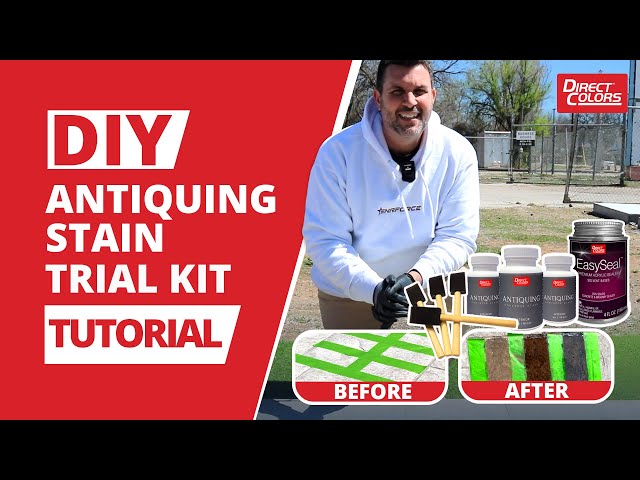
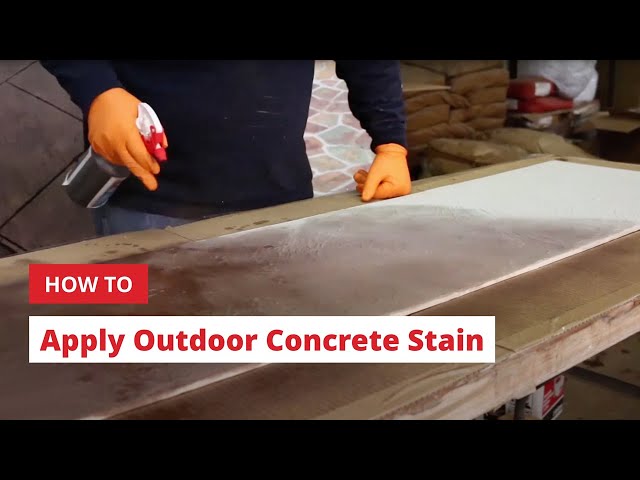
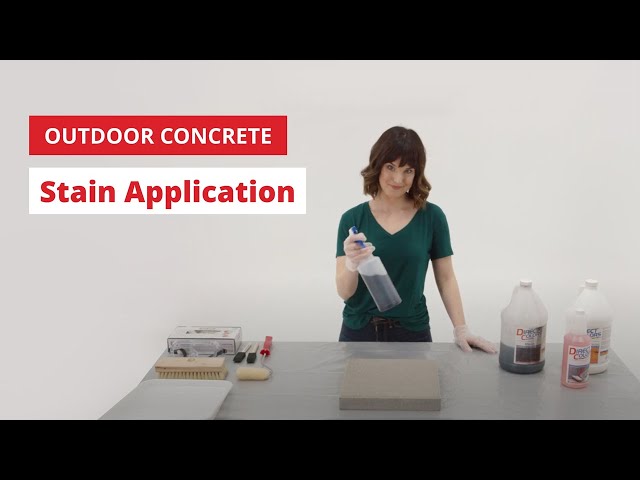
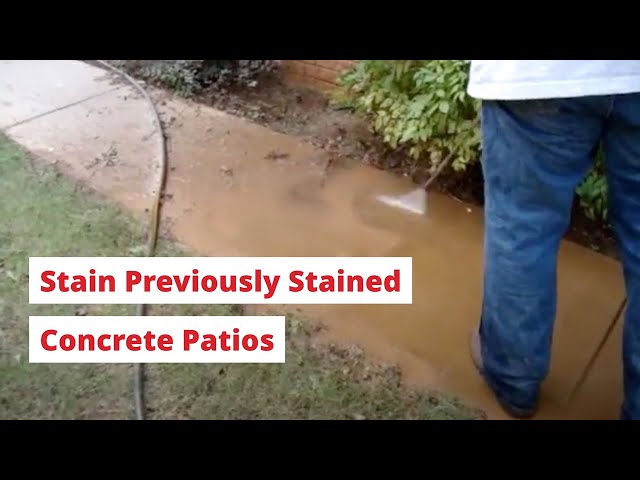

Antiquing™ Color Chart
Explore the complete Antiquing™ color palette and discover the perfect shade for your concrete project.
- Semi-transparent colors that highlight concrete texture
- Natural antiqued finish for stamped concrete
- Restores faded or discolored concrete surfaces
- Designed for stamped and textured concrete

Before

After

Get Inspired by Spaces

Shop this look


EasySeal™ Solvent Based Acrylic Concrete Sealer

Shop this look
EasySeal™ Solvent Based Acrylic Concrete Sealer

Shop this look
EasySeal™ Solvent Based Acrylic Concrete Sealer


Shop this look
EasySeal™ Solvent Based Acrylic Concrete Sealer

Shop this look
EasySeal™ Solvent Based Acrylic Concrete Sealer
Best Sellers

Antiquing™ 2-Step Trial System
Choose your option


Antiquing™ 2-Step Application Stain System
Choose your option


Antiquing™ 2-Step Stain System
Choose your option


Antiquing™ 2-Step Professional Stain System
Choose your option


EverStain™ 3-Step Trial System
Choose your option


EverStain™ 3-Step Application System
Choose your option


EverStain™ 3-Step Professional System
Choose your option


EverStain™ 3-Step Acid Stain System
Choose your option
Related Links


